Here’s a quick summary to give you a brief overview.
Boston’s diverse climate calls for thoughtfully engineered pergola configurations. Coastal homes require corrosion-resistant materials and wind-rated designs, while inland properties benefit from shade-focused features and structures built to handle heat, humidity, and winter snow loads. StruXure Boston understands these specific regional demands and delivers durable, custom-engineered pergolas designed to perform in New England conditions. We ensure your outdoor space is perfectly suited to its location and ready for year-round enjoyment.
StruXure Boston has extensive experience designing and installing customized covered structures throughout the region. We ensure the materials, features, and overall design of your pergola are carefully selected to address your location’s specific climate challenges.
Coastal Boston Area: Design Considerations
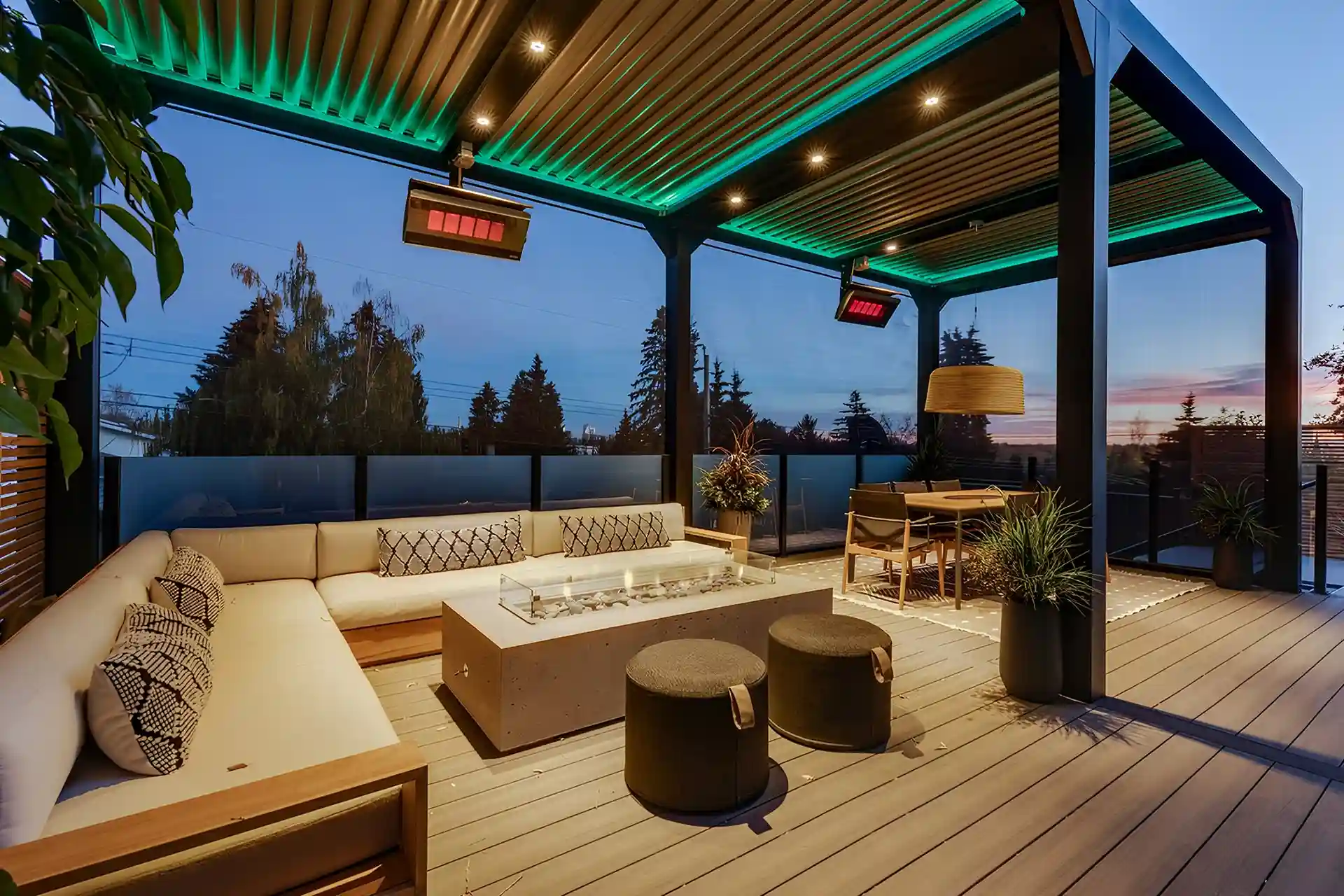
Coastal environments place unique stresses on any outdoor structure. We approach coastal pergola configurations in the Boston area with a focus on durability and corrosion resistance. The design must account for high humidity, salt air, strong coastal winds, and seasonal storms that are more intense than those typically experienced inland.
Climate Challenges
Coastal areas present several distinct problems for outdoor structures. Salt-laden air is highly corrosive to many metals and accelerates the breakdown of certain wood treatments. Persistent fog and high humidity contribute to mildew and rot. Wind exposure is often significant, requiring structures to be engineered for high load resistance.
Material Selection
Material choice is the single most important factor for the best pergola for coastal homes. We only use components proven to resist corrosion and moisture.
- Aluminum: Aluminum is lightweight, strong, and inherently corrosion-resistant, making it a superior choice for coastal pergola designs. Aluminum does not rust or warp, and we use powder-coated finishes to provide an extra layer of protection against the salt air.
- Stainless Steel Hardware: Fasteners and connection points must be made from marine-grade stainless steel to prevent rust and maintain structural integrity. This is the same quality used on boats, ensuring absolutely no rust or structural breakdown from the salt air.
- Composite Materials: Composite lumber or decking is often used for non-structural cladding or decorative elements because it resists rot, insects, and moisture absorption common in high-humidity areas.
Design Features
Coastal pergolas require specific features to manage moisture and resist wind. We integrate these elements into every coastal pergola design.
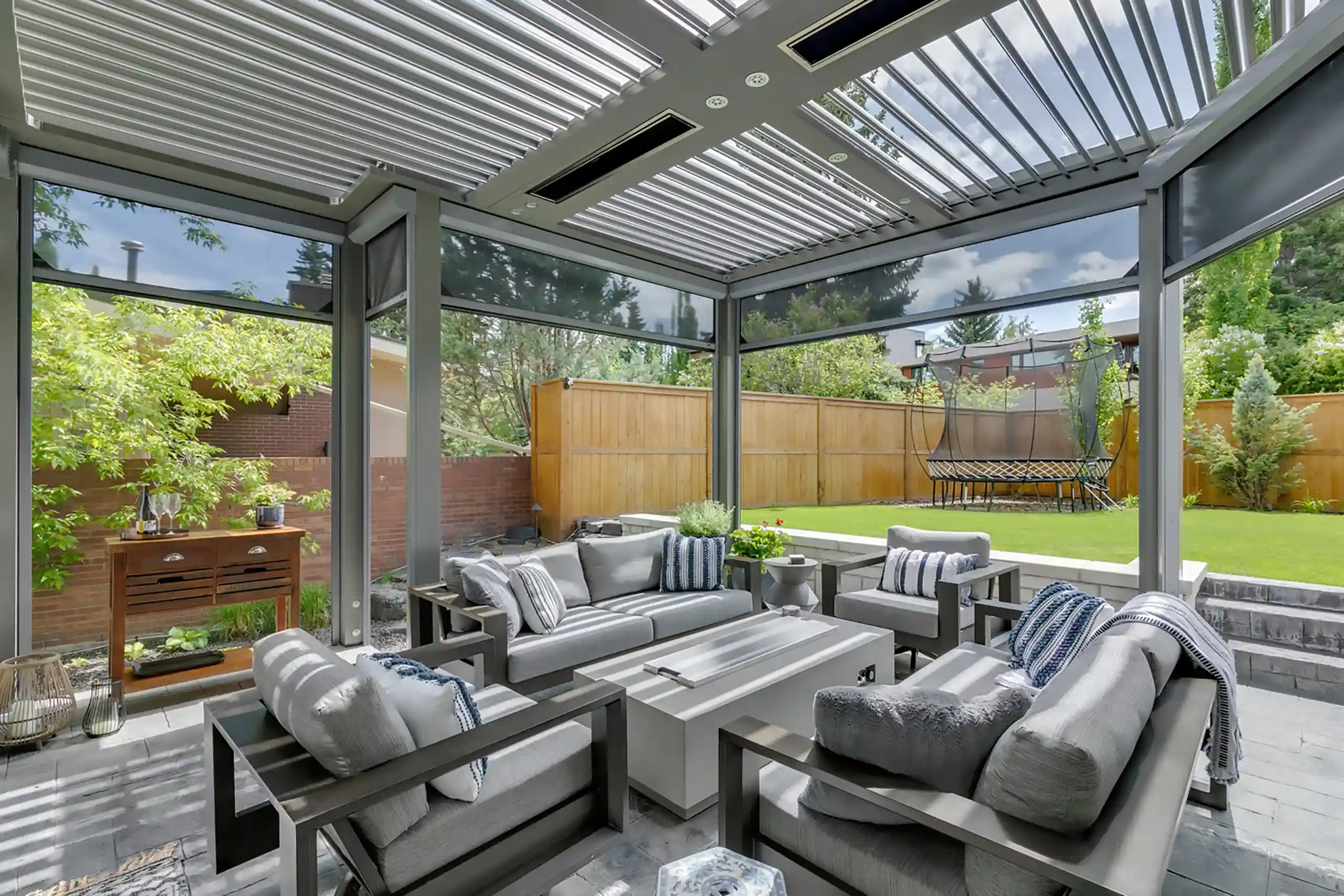
- Louvered Roof Systems: A louvered roof system provides variable protection from moisture and sun. The ability to tightly close the roof is essential for sudden fog or rain, while the adjustable nature helps manage strong sun and heat.
- Integrated Drainage: Water management is critical. We build integrated gutters and downspouts directly into the pergola frame. This hidden system discreetly channels rainwater and fog runoff, protecting your patio and foundation.
- Wind Resistance: Near the ocean, structures need to be strong. We ensure the anchoring systems are deeply set and custom-engineered to meet and exceed your local wind load requirements for safety and stability.
Inland Boston Area: Design Considerations
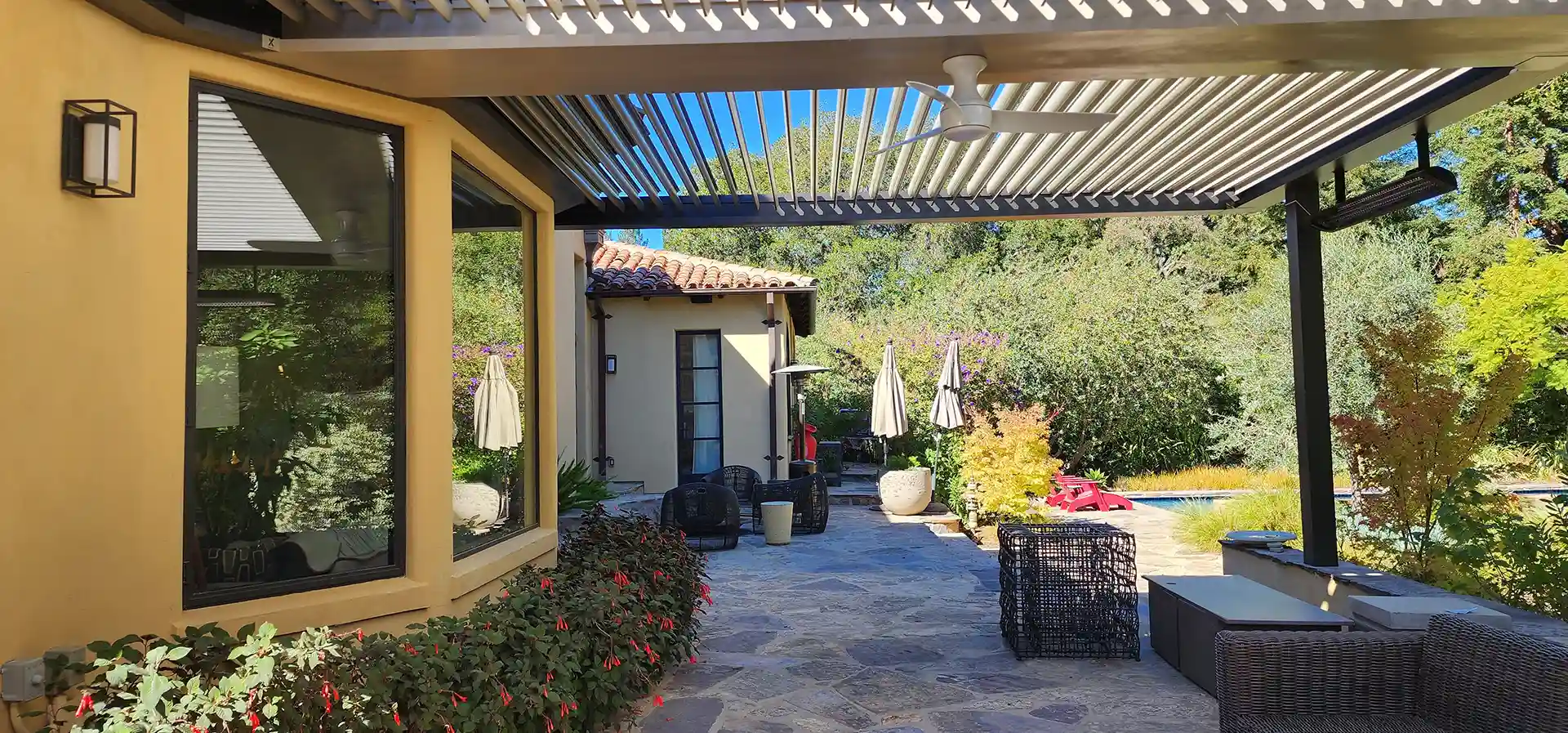
Inland areas of Massachusetts face a different set of challenges, including strong summer sun exposure, humidity, and significant seasonal temperature swings. Inland pergola designs must prioritize effective shade control, ventilation, and structural performance capable of handling both summer heat and winter snow loads.
Climate Challenges
The primary enemy of inland structures is UV radiation, which causes fading, cracking, and material degradation. High summer temperatures necessitate maximum shade creation to make the outdoor space usable. While humidity is lower, some materials can warp or check due to repeated temperature extremes.
Material Selection
Materials for inland use are selected for their stability under heat and ability to provide deep shade. We focus on materials that will not scorch, fade, or become excessively hot to the touch.
- Wood: Certain woods, like redwood or cedar, can be acceptable for inland pergola styles because they are naturally resistant to decay and insects. Wood requires consistent staining or sealing to prevent cracking and warping from sun exposure.
- Vinyl: This is a low-maintenance option that resists insects. However, quality matters: we use only high-grade, heat-stabilized vinyl engineered to maintain its strength and shape through New England’s summer heat and seasonal temperature fluctuations.
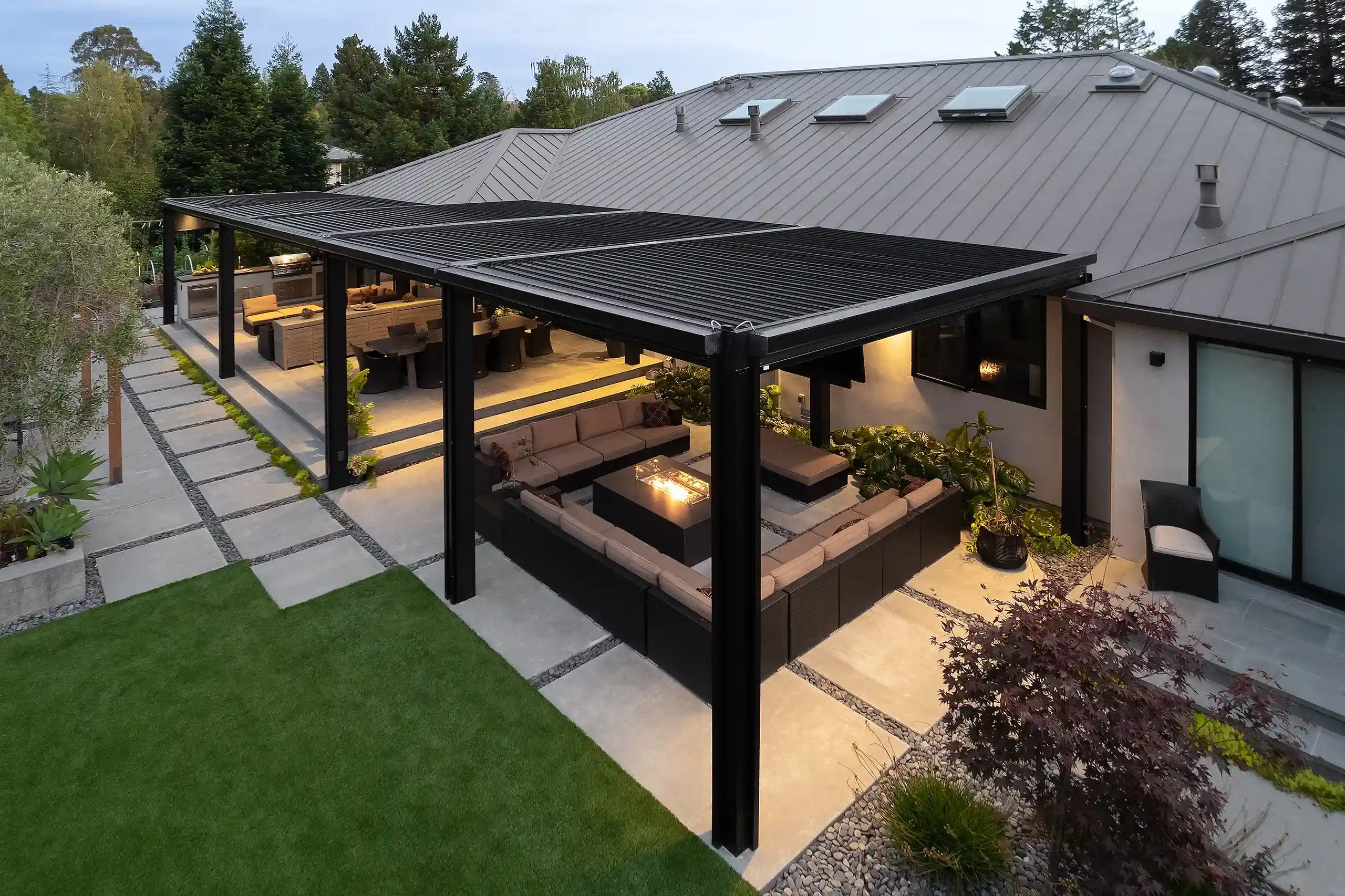
- Aluminum: Aluminum is an excellent choice for inland climates because it is dimensionally stable and will not warp or rot. We use light-colored powder coats to reflect heat and keep the structure cooler.
Design Features
The goal of an inland pergola is to make the space cool and comfortable during the hottest parts of the day. If you are looking for the best pergola for inland homes, the design should incorporate specific comfort-focused features.
- Retractable Canopies: Fixed-roof systems can be too confining in dry heat. Retractable canopies or adjustable louvered roofs allow homeowners to control the exact amount of sun and shade throughout the day, maximizing flexibility.
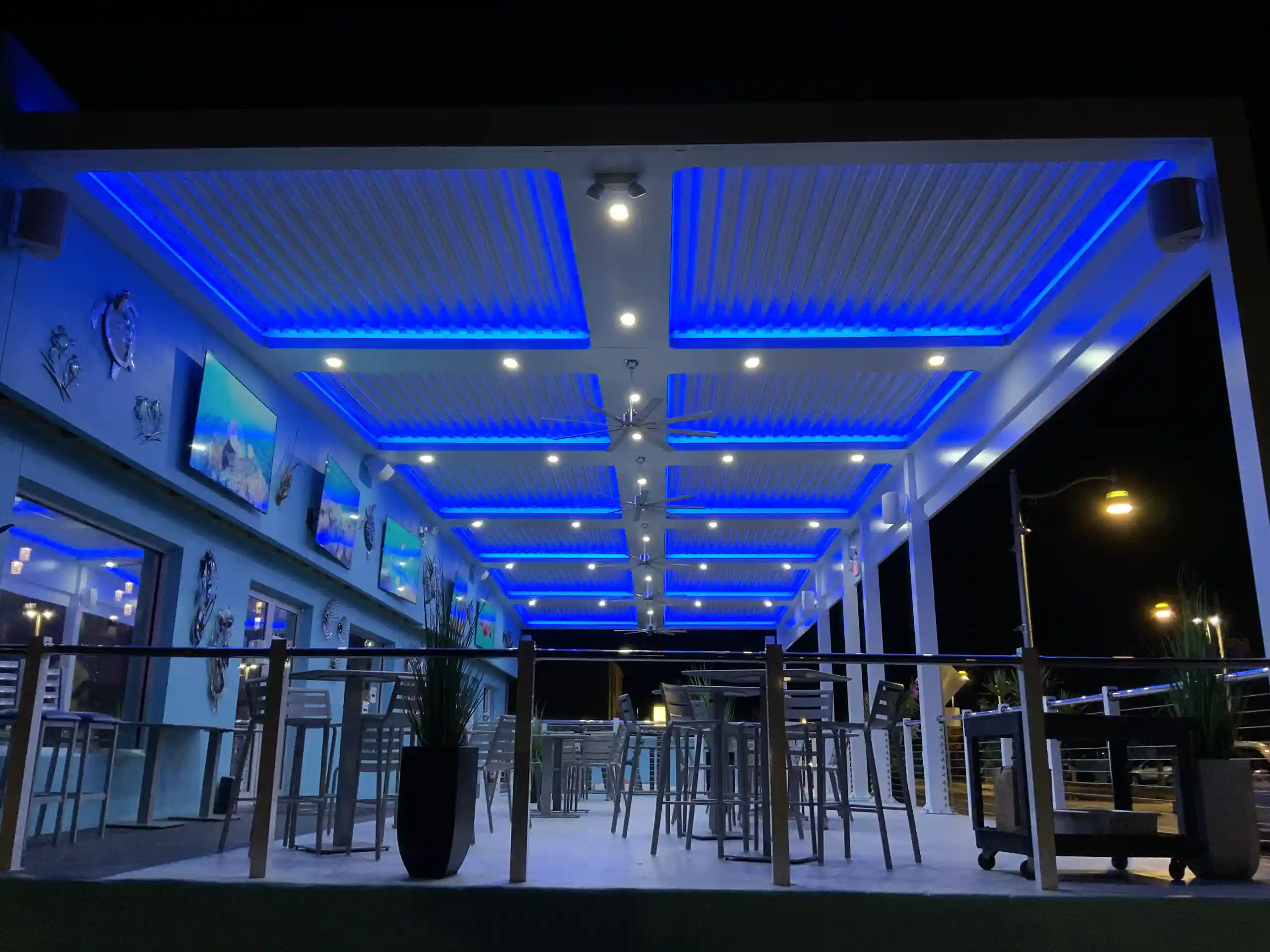
- Integrated Lighting and Fans: Ceiling fans are a necessity in inland areas to create air movement and reduce the heat index beneath the structure. We hardwire and fully integrate lighting and fans into the structure for a clean, safe look.
- Heat-Resistant Materials: We avoid dark colors or materials that absorb and radiate heat. Choosing lighter finishes for roofing and structural components is a simple but effective strategy for keeping the area cooler.
Comparative Analysis: Coastal vs. Inland Pergola Configurations
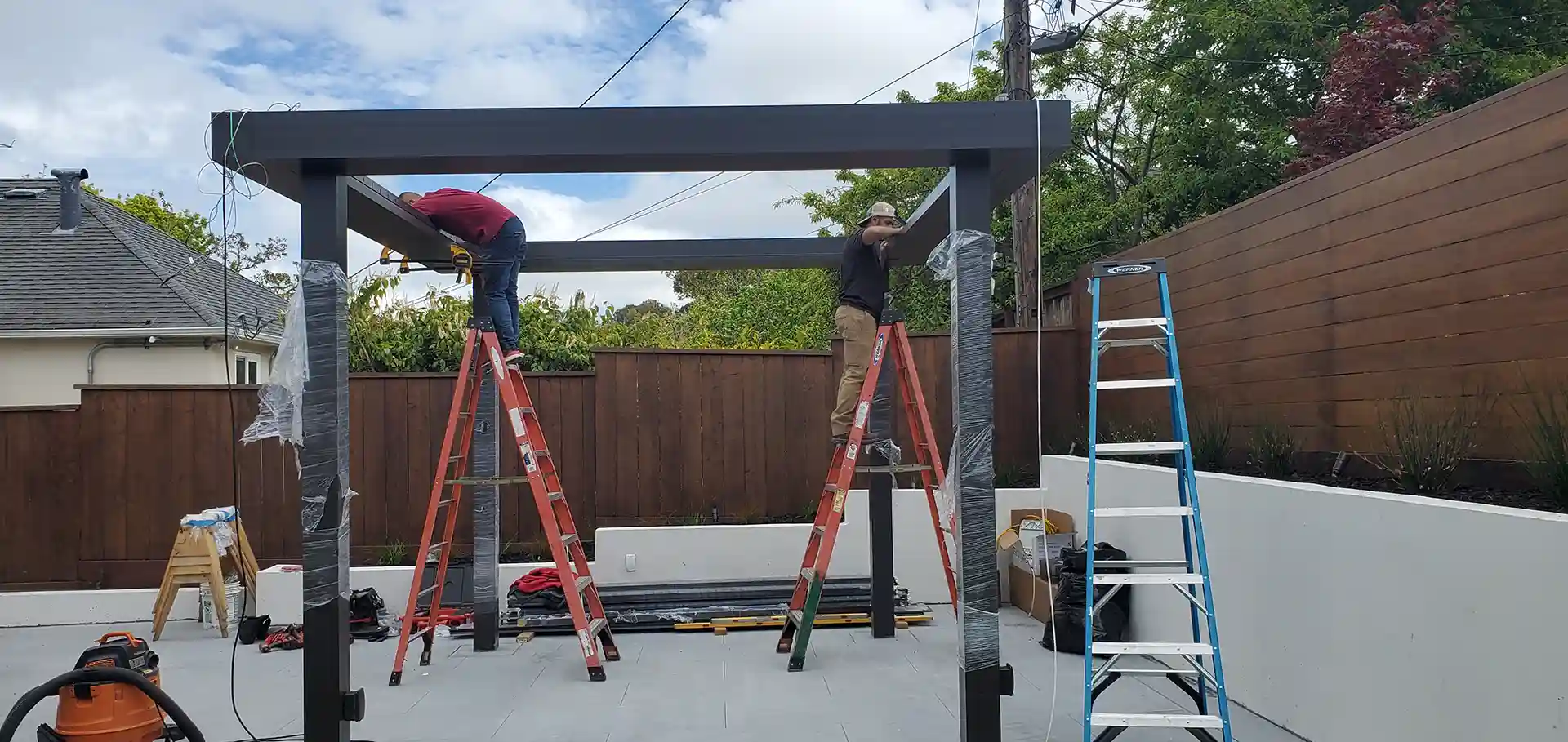
Choosing the right pergola configurations in Boston means understanding the direct trade-offs between designs optimized for moisture and designs optimized for heat. We help homeowners map their priorities against their specific local climate to make the best long-term investment.
Material Durability
Coastal durability hinges on corrosion resistance, making powder-coated aluminum and marine-grade hardware essential. Inland durability relies on stability under high UV and heat, favoring lighter-colored, dimensionally stable materials. Wood is susceptible to rot on the coast and UV damage inland, demanding more maintenance in both areas. Aluminum remains the most low-maintenance option for any environment due to its resistance to both rust and heat warping.
Design Adaptability
Coastal designs must prioritize weather sealing and drainage to handle sudden rain or persistent fog. Inland designs focus on maximizing airflow and adjustable shade control. Features like adjustable louvered roofs offer the highest design flexibility, meeting both coastal needs (full closure) and inland needs (variable shade and ventilation). Fixed open-lattice designs are generally a poor choice in either environment, offering insufficient protection from sun or moisture.
Maintenance Considerations
Maintenance for coastal pergola designs centers on regularly rinsing away salt residue to prevent finish degradation and checking hardware for signs of corrosion. Inland maintenance primarily involves cleaning debris and inspecting for UV damage or fading. Choosing low-maintenance materials like aluminum or high-quality vinyl drastically reduces the time and expense associated with long-term care in either climate.
| Feature | Coastal Massachusetts (e.g., Boston Waterfront, North Shore) | Inland Massachusetts (e.g., Needham, Lexington, Weston) |
| Primary Climate Challenge | Corrosion (Salt Air), Coastal Winds, Moisture, Storm Exposure | Summer Heat, Humidity, Snow Loads, Seasonal Temperature Swings |
| Best Material | Powder-Coated Aluminum (Marine Grade Hardware) | Powder-Coated Aluminum (Engineered for Snow & Thermal Movement) |
| Critical Design Feature | Integrated Drainage, Wind-Rated Louvers, Corrosion-Resistant Components | Adjustable Louvers, Snow Load Engineering, Integrated Heating & Fans |
| Maintenance Focus | Salt Rinse, Hardware Inspection, Storm Checks | Snow Management, Debris Cleaning, Seasonal Inspection |
Local Regulations and Permitting in Boston
Navigating local building codes is mandatory for any outdoor structure installation. We handle all aspects of permitting for your pergola configurations in Boston, ensuring full compliance. Regulations vary significantly across the Boston Area’s numerous municipalities.
Coastal areas in Massachusetts require careful navigation because multiple regulatory authorities may have jurisdiction. The Massachusetts Office of Coastal Zone Management (CZM) and local Conservation Commissions oversee development within designated coastal and wetland areas. We determine the exact jurisdiction before beginning the design process, ensuring your project moves forward smoothly and does not stall due to complex state or local regulations.
Inland areas typically have less restrictive design standards but still require permits to ensure structural integrity and safety. Permits are always required for any attached structure or any freestanding structure over a certain size (usually 120 square feet) or height (usually 8 feet). We prepare detailed engineering plans to meet local building department requirements for wind loads, foundation requirements, and electrical integration (for fans and lighting). This permitting process ensures the safety and legality of your new outdoor space.
The permitting process typically involves submitting architectural drawings, site plans, and engineering calculations to the local building department. We manage this entire process for our homeowners, minimizing delays and ensuring accurate, code-compliant submissions. Approval timelines can vary by municipality, so we include a permitting schedule within our project plan to set clear expectations. Drawing on our experience across Boston-area jurisdictions, we anticipate common review requests and work proactively to help streamline approvals.
Best Pergola Installation Contractors in Boston
Choosing the right contractor is as important as selecting the correct pergola configurations in Boston. We are a locally owned and operated business focused exclusively on high-quality covered structures throughout the Boston Area. We do not compromise on the materials or the engineering required to make a structure last in your specific coastal or inland climate. We adhere to the highest standards of safety and workmanship, ensuring your project is completed correctly and on time.
StruXure Boston is the trusted choice for homeowners who demand accountability and expertise. We provide detailed, upfront pricing and clear communication throughout the design and construction process. Our team is fully licensed, insured, and deeply familiar with the unique building codes and environmental challenges present across all parts of the Boston Area. We do not cut corners, ensuring every structural detail, from the footings to the final finish, is optimized for longevity and performance in Boston’s diverse climate.
Start Your Customized Outdoor Design Process Today
Creating the perfect outdoor living space requires deep local knowledge and technical expertise. We have the experience needed to design pergola configurations in the Boston area that genuinely enhance your property value and daily use. We take the time to understand your unique environment — whether you need advanced corrosion resistance for coastal exposure or engineered performance for sun, snow, and seasonal weather changes. We simplify complex decisions around materials, features, and local regulations to ensure a seamless process from start to finish.
We are ready to translate your outdoor vision into a durable, functional reality. Do not risk your investment on generic designs that cannot withstand Boston’s specific environmental challenges. Contact StruXure Boston today to schedule a design consultation. We are the proven, authoritative choice for custom outdoor living structures in the Boston Area.
Pergola Configurations in Boston FAQs
What materials are best for coastal pergolas in the Boston area?
The best materials for coastal pergolas are powder-coated aluminum paired with marine-grade stainless steel hardware. Aluminum naturally resists rust and corrosion caused by salt air, moisture, and coastal storms common along Massachusetts shorelines. Using marine-grade stainless steel fasteners is essential to prevent corrosion-related structural failure and ensure long-term durability in harsh New England coastal conditions.
How can I protect my inland pergola from sun damage?
Protect your indoor pergola from sun damage by choosing light-colored, reflective powder-coated finishes and incorporating shade features such as retractable canopies. These choices minimize UV absorption, prevent materials from overheating, and reduce fading or warping over time. Integrated ceiling fans also help keep the structure and the space beneath it much cooler.
Are there specific design features for coastal pergolas?
Yes, coastal pergolas require specific design features centered on water and wind management. Integrated drainage systems, like internal gutters, are necessary to handle moisture from fog or rain. Louvered roof systems are ideal because they can close tightly to seal out weather and are engineered for higher wind loads common near the ocean.
Do I need a permit to install a pergola in the Boston area?
In most cases, yes — you will need a permit to install a pergola in the Boston area, especially if the structure is attached to your home or exceeds local size thresholds for freestanding structures. Requirements vary by municipality, so it’s best to assume a permit will be required.
StruXure Boston manages the entire permitting process for you, including engineering plans, stamped drawings when required, and full compliance with local building codes and zoning regulations.
How can I maintain my pergola in coastal conditions in Massachusetts?
Maintaining your pergola in coastal Massachusetts primarily involves routine rinsing with fresh water to remove corrosive salt residue from ocean air. It’s also important to periodically inspect all stainless steel hardware and connection points for any signs of pitting or corrosion. This simple maintenance routine helps preserve the finish, protect structural components, and ensure your coastal pergola performs reliably for many years in New England conditions.